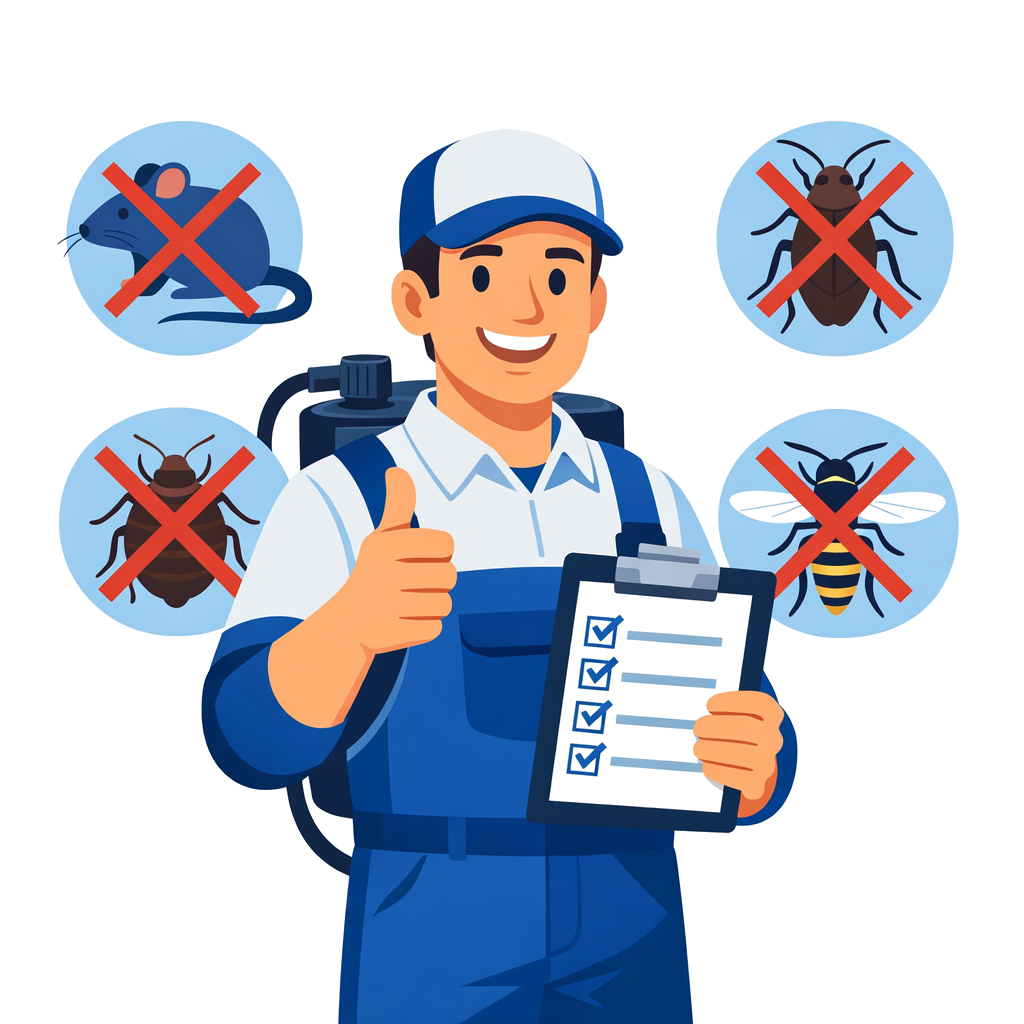
Pests are often associated with unpleasant sights or hygiene problems, but their impact on health goes far beyond that. Many species of household pests are directly responsible for allergic reactions, asthma attacks and chronic respiratory disorders. Understanding this link is essential to protect your family, particularly children, older people and individuals who are already prone to allergies.
Cockroaches, commonly known as roaches, are one of the most potent sources of allergens in homes. Their droppings, saliva, moults and carcasses break down into microscopic particles that mix with the surrounding dust. Once inhaled, these particles cause allergic reactions in sensitive people. According to the World Health Organization, cockroach allergens are among the most frequent triggers of childhood asthma in urban areas. Children living in infested homes are at significantly higher risk of developing chronic asthma. Symptoms include repeated sneezing, a runny nose, watery and irritated eyes, skin rashes and, in the most serious cases, breathing difficulties requiring medical care.
Dust mites, although microscopic, are everywhere in our bedding, rugs and soft furnishings. Their droppings contain highly allergenic proteins which, once airborne, irritate the airways. But bed bugs also pose an underestimated allergy problem. In some people, their bites cause mild local reactions (redness, itching), while others develop systemic allergic reactions with significant swelling, generalised hives and, in rare cases, anaphylactic shock. The saliva the bed bug injects when it bites contains anticoagulants and anaesthetics to which the immune system reacts more and more strongly with each new exposure. People who are bitten regularly often develop a progressive sensitisation that makes their reactions worse over time.
Rats and mice are not only carriers of diseases such as leptospirosis or salmonellosis. Their urine, their droppings and the dander from their fur contain potent allergenic proteins. When these substances dry, they turn into fine particles that contaminate indoor air. Scientific studies have shown that exposure to mouse allergens is a major risk factor for developing asthma, particularly in children living in urban areas. Mouse urinary proteins (MUP, short for Major Urinary Proteins) are among the most persistent allergens: they can remain active in the environment for months, even after the rodents have been eliminated. That is why thorough cleaning is essential after any rodent control treatment.
Wasps, hornets and bees pose a direct allergy danger through their stings. The venom they inject contains substances such as phospholipase and hyaluronidase, which can trigger severe allergic reactions. About 3% of the French population is allergic to hymenoptera venom, and these allergies can reveal themselves with a first, seemingly harmless sting. An anaphylactic reaction, which can occur within minutes, is an absolute medical emergency. If you or a member of your family has already had an allergic reaction to a sting, the presence of a wasps' or hornets' nest near your home is a life-threatening risk that must never be overlooked.
The first step is to maintain a clean, well-ventilated environment. Regularly vacuum rugs, carpets and soft furnishings with a vacuum cleaner fitted with a HEPA filter, which traps allergenic particles. Wash your bedding at 60 degrees minimum every week. Reduce indoor humidity to below 50% with effective ventilation, as humidity encourages dust mites and cockroaches to proliferate. Seal the cracks and openings through which pests can get in. Store your food in airtight containers. If you notice persistent allergy symptoms (chronic rhinitis, dry cough, asthma attacks) and suspect the presence of pests, do not wait. A professional assessment will identify the source of the problem and put a suitable treatment in place. At Mr Nuisibles, our certified technicians carry out a full inspection of your home and offer you lasting solutions to eliminate pests and make your environment healthy again. Call 01 89 70 79 30 for a free assessment.