Describe your situation and we'll call you back
Super fast service for bed bugs. The technician arrived within 1 hour, very professional. He treated everything with steam and gave us advice. Nothing since!
Cockroach problem in my apartment in the 15th arrondissement of Paris. Mr Nuisibles came the same day. Gel + fogging treatment. 3 weeks later, not a single cockroach.
Rats in our cellar for months. One single visit and it was sorted. They also sealed all the entry points. Excellent follow-up by phone. I recommend them 100%.
Restaurant in the 92 (Hauts-de-Seine), we had cockroaches. Mr Nuisibles carried out a full assessment and a combined treatment. Flawless result, HACCP compliant. 5-star service.
Wasp nest under the roof. The technician came out on an emergency call, very well equipped, and removed everything in 30 min. Very reassuring and patient with my questions.
Mice in the attic in Issy. Fast call-out, traps set in the morning, results by the evening. Came back 2 weeks later to check. Top-notch service.
Pine and oak processionary caterpillars pose a major health hazard. Their microscopic stinging hairs cause serious allergic reactions in humans and can be fatal to pets. Since 2022, controlling these pests has been a regulatory obligation. Our technicians work with eco-friendly, effective methods.
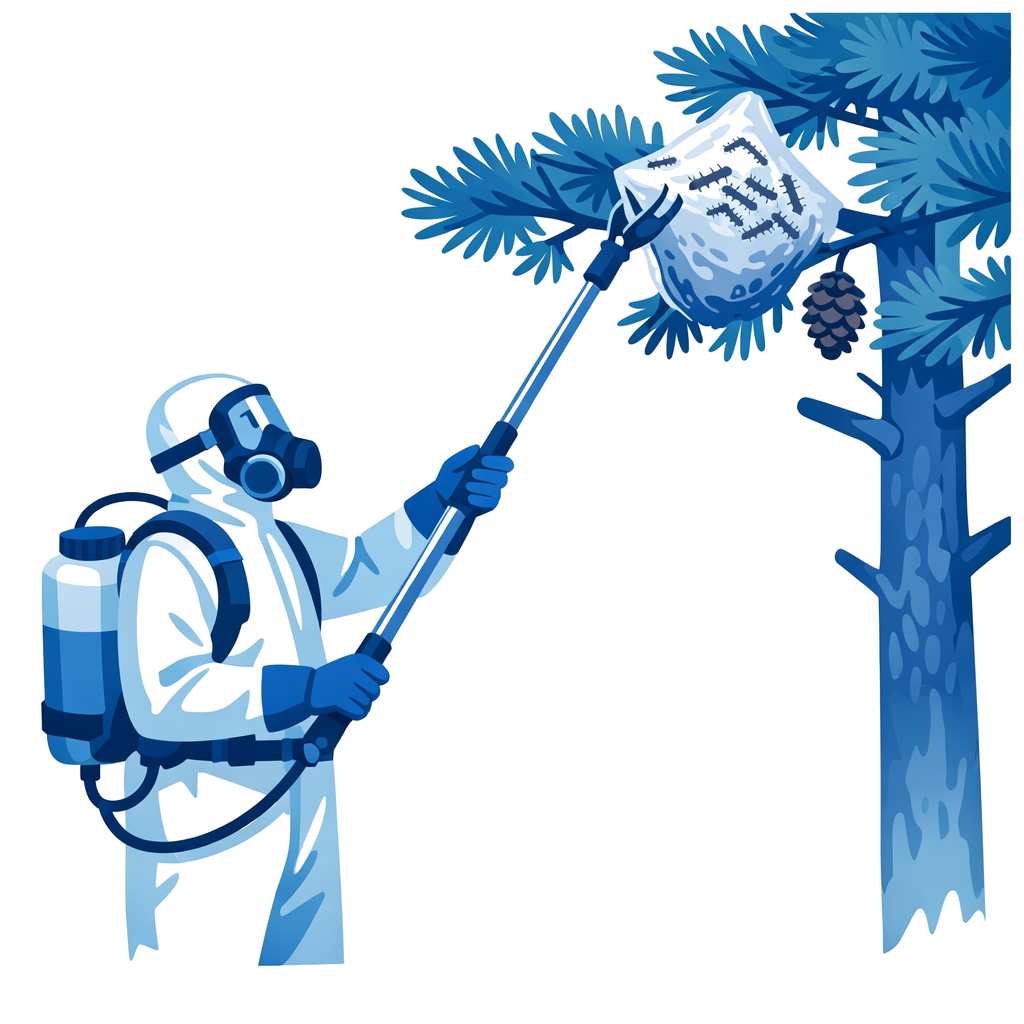
Processionary caterpillars are easy to identify. Here are the signs to look out for in your trees and gardens:
White, silky cocoons attached to pine or oak branches, visible from autumn onwards. They contain hundreds of caterpillars and their stinging hairs.
In spring, the caterpillars come down from the trees in long single-file lines to bury themselves in the soil. This is the most dangerous time for children and animals.
Skin rashes, intense itching, conjunctivitis or breathing difficulties after spending time near infested trees. The stinging hairs are carried by the wind.
The caterpillars devour pine needles or oak leaves, causing the tree to weaken gradually, which can lead to its death in the case of repeated infestations.
We offer solutions suited to each season and to each stage of the caterpillar's development.
Safe removal of nests by our technicians, equipped for working at height. The nests are incinerated to neutralise the stinging hairs.
WinterA collar and collection bag installed around the trunk to capture the caterpillars as they come down in spring. 100% eco-friendly.
SpringSpraying of Bacillus thuringiensis kurstaki, a natural bacterium that specifically targets caterpillars without affecting other species.
AutumnInstallation of nest boxes to attract tits, natural predators of processionary caterpillars. A long-term preventive solution.
All year roundCapture of male moths in summer using synthetic pheromones, drastically reducing reproduction and future infestations.
SummerTalk to a specialist technician who will assess the level of infestation and the risks to your surroundings. Contact us to schedule a safe treatment.
After analysing the situation, we decide on the most suitable method: mechanical nest removal, biological treatment, pheromone trap or tit nest boxes. We explain everything to you before carrying out the treatment.
Our technicians work in full protective clothing. Nests are removed or treated in complete safety. No risk to occupants, children or animals.
A follow-up is scheduled to check the effectiveness of the treatment. We advise you on lasting preventive solutions for the following seasons.
Fast call-out to secure high-risk areas: nursery schools, school playgrounds, parks, residential properties.
Environmentally friendly methods: biological Btk, eco-traps, natural predator control with tits.
Treatment compliant with the 2022 decree making the control of processionary caterpillars mandatory. Certificate provided.
A 12-month prevention programme with seasonal treatments suited to each stage of the caterpillar's life cycle.
All arrondissements, fast call-out. Apartments, houses, business premises.
92, 93, 94, 95, 77, 78, 91. Free call-out for private individuals and businesses.
Pine and oak processionary caterpillars release stinging hairs that are dangerous to humans and animals. Allergic reactions, respiratory problems, eye injuries: a fast professional treatment is essential to protect your family and your pets.
We use Btk (Bacillus thuringiensis) biological treatment, an eco-friendly, targeted solution that eliminates processionary caterpillars without harming other species. Mechanical nest removal, pheromone traps and eco-traps complete our arsenal for lasting protection of your trees.
Our certified technicians work safely on infested trees, in compliance with current regulations. Private individuals, local authorities, schools, public parks: contact Mr Nuisibles for a free assessment and a fast call-out against processionary caterpillars.
Yes, very. Their microscopic stinging hairs cause serious allergic reactions: painful skin rashes, conjunctivitis, respiratory distress (asthma, bronchospasm) and, in severe cases, anaphylactic shock. The hairs are released at the slightest disturbance and carried by the wind over several tens of metres. You must never touch the caterpillars or the nests with your bare hands.
This is an absolute veterinary emergency. The stinging hairs cause necrosis of the tongue that may require partial amputation, or even lead to the animal's death. Immediately rinse the mouth with water without rubbing and go to the nearest vet as an emergency. Every minute counts.
Each season offers a different treatment window: Btk biological treatment is most effective in autumn (October-November), when the young caterpillars start feeding. Mechanical nest removal is done in winter. The eco-trap is installed at the end of February, before the spring descent. Pheromone traps are set up in summer (June-August).
Bacillus thuringiensis kurstaki (Btk) is a natural bacterium that specifically targets the caterpillars of lepidoptera. It does not affect bees, ladybirds or other beneficial insects when applied correctly and at the right time. It is the method recommended by the health authorities for biological control.
Yes. Since the decree of 25 April 2022, pine and oak processionary caterpillars have been classified as species harmful to human health. Owners of infested trees are required to take control measures. Prefectures can issue orders making control mandatory in the areas concerned.
The price depends on the number of trees, their height, accessibility and the method chosen. Mechanical removal of a nest starts at around 80 euros. A comprehensive annual programme offers the best value for money. We offer a free on-site assessment. Call 01 89 70 79 30.